

Gold-Plated vs Solid Gold Jewellery - Which One Is Right for You?

Standing in front of a jewellery display, this question comes up more often than you'd think. Do you go for the solid gold piece that costs a small fortune, or the gold-plated one that looks nearly identical for a fraction of the price? There's no universal right answer here, it really depends on what you want the jewellery to do for you.
Let's break down what actually separates the two, so the next purchase feels like a decision, not a guess.
What Solid Gold Actually Means
Solid gold jewellery is gold all the way through, no base metal hiding underneath. It's measured in karats, with 24K being pure gold and 18K or 14K being more common for jewellery, since pure gold is too soft to hold its shape well on its own.
The appeal is obvious. Solid gold doesn't fade, doesn't wear thin, and holds resale value in a way plated jewellery simply can't. It's the kind of purchase people think of as an investment, something passed down rather than replaced.
But that value comes at a real cost. Gold prices have climbed steadily over the years, and a single solid gold necklace can easily run into tens of thousands of rupees, sometimes more, depending on weight and design.
What Gold-Plated Jewellery Actually Means

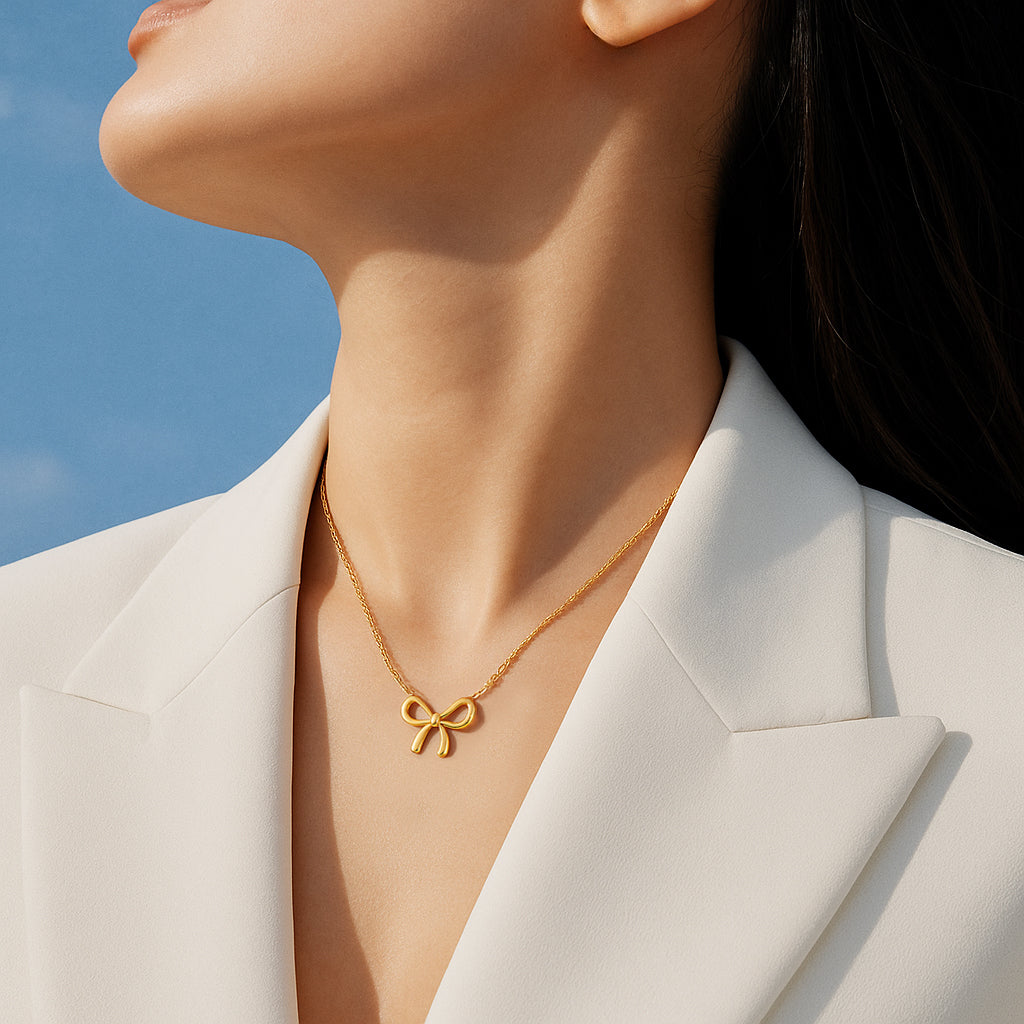
Gold plated jewellery works differently. A base metal, usually brass or sterling silver, gets coated with a thin layer of real gold through an electroplating process. You get the same warm colour and shine as solid gold, just without gold making up the entire piece.
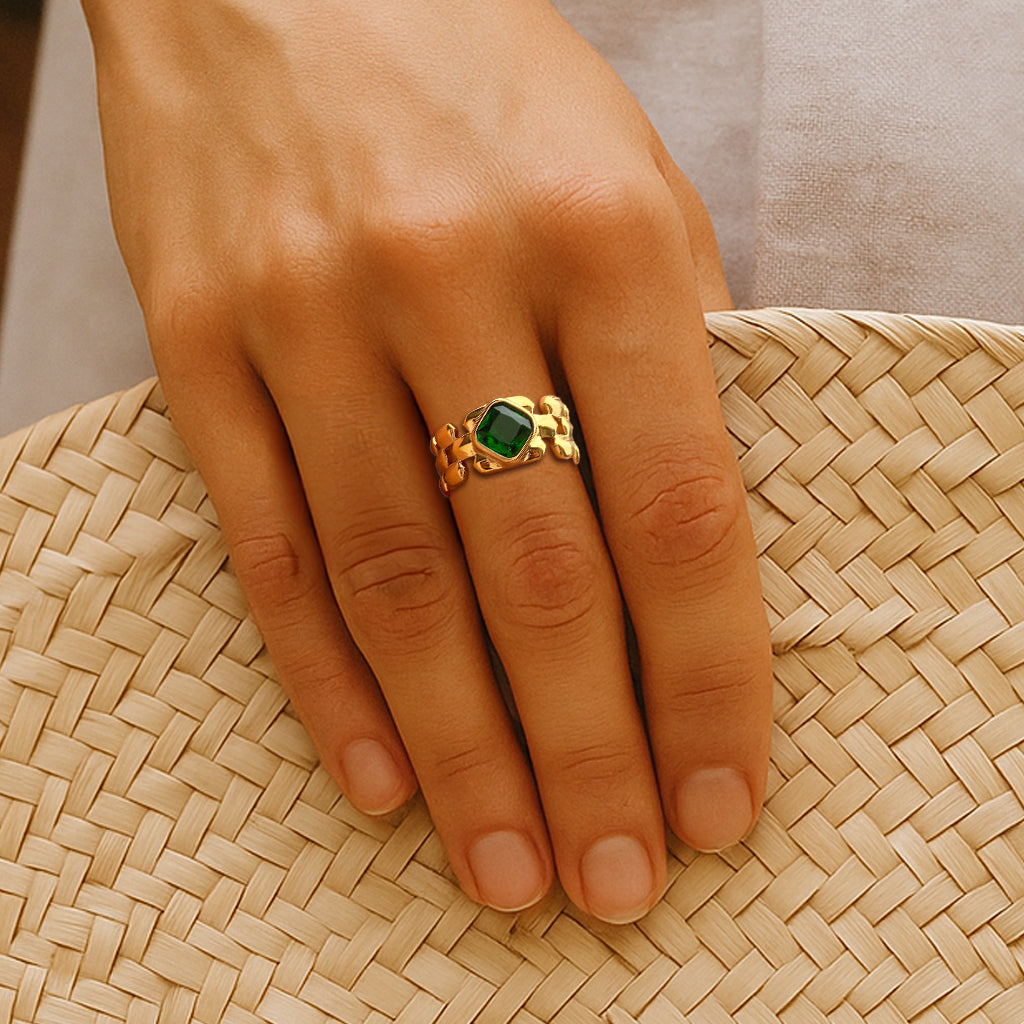
This is where the price difference comes from. Since only a small amount of actual gold is used, gold plated jewellery costs a fraction of what solid gold does, sometimes a tenth of the price for a similar-looking design. The trade-off is durability. Plating can wear thin over time, especially with constant friction, a ring worn daily, a bracelet that knocks against surfaces, an earring post in constant contact with skin.
How long that plating lasts really comes down to quality. Thin, inconsistent plating fades within weeks. Thicker plating, like the 18K gold plating used across Amalfa's pieces, paired with an anti-tarnish coating, holds up far longer under normal daily wear. It's not going to outlast solid gold indefinitely, but it's built to handle real life, not just sit in a box.
Where Demi-Fine Jewellery Fits In

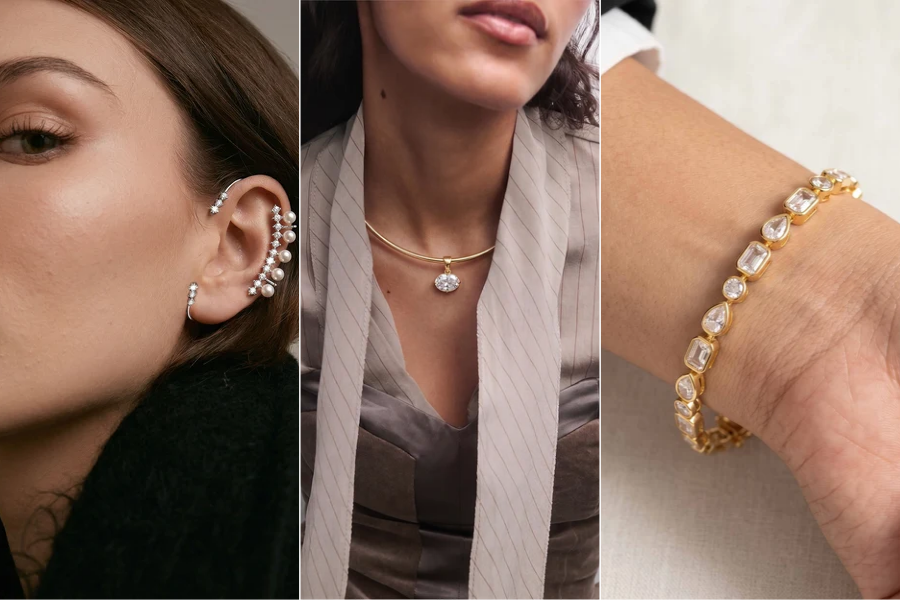
This is where demi-fine jewellery becomes worth knowing about, because it sits deliberately between the two. Demi-fine isn't cheap costume jewellery, and it isn't solid gold either. It usually means gold plating or gold vermeil over a quality base metal, sometimes finished with semi-precious stones instead of diamonds.
The idea behind demi-fine jewellery is simple: give people something that looks and feels closer to fine jewellery, without the price tag or the anxiety that comes with wearing something expensive every day.
You get thoughtful craftsmanship, durable finishes, and a price point that actually matches how often most people plan to wear it. For daily rings, layered necklaces, or a stack of bracelets you don't want to think twice about, demi-fine jewellery tends to make a lot more sense than solid gold.
Comparing the Two, Side by Side
A few factors worth weighing before deciding:
-
Budget – Solid gold is a long-term investment. Gold plated and demi-fine jewellery let you build a much bigger collection for the same money.
-
How often you'll wear it – Daily-wear pieces take more wear and tear. Plated jewellery with good finishing, like anti-tarnish coating, is built to handle that without needing the premium of solid gold.
-
Sentimental vs everyday – A wedding ring or heirloom piece might be worth the solid gold investment. A stack of rings you swap out weekly probably doesn't need to be.
-
Skin sensitivity – Look for hypoallergenic finishes regardless of which you choose, since both solid gold and plated pieces can still cause reactions if the base alloy isn't skin-friendly.
-
Resale and longevity – Solid gold holds value over decades. Plated jewellery is about design and versatility, not resale.
So, Which One Should You Actually Buy?
There isn't a single right answer, but there's usually a right answer for you. If you're buying one significant piece meant to last a lifetime, solid gold earns its price. If you want to build a full jewellery collection, stack rings, layer necklaces, switch styles with your mood, gold plated and demi-fine jewellery let you do that without draining your savings.
Most people end up somewhere in the middle, one or two solid gold pieces kept for the long run, and a rotating collection of well-made plated and demi-fine pieces for everything else. That's not a compromise, it's just a more realistic way to build a jewellery collection that actually gets worn.
Building a Collection That Works for You
At the end of the day, jewellery is meant to be worn, not just owned. Whether that means investing in one solid gold piece or building out a versatile demi-fine collection, what matters most is choosing pieces that fit how you actually live. Explore Amalfa's range of gold plated and demi-fine jewellery to find pieces made for daily wear, without the daily worry.