

If you’ve ever searched for “blue jewellery” online, you’ve probably come across two terms that sound similar but mean completely different things: Bluestone jeweller-y and Blue Sapphire. Many shoppers confuse the two, one thinking Bluestone is a type of gemstone, or that Blue Sapphire is something sold under the Bluestone category.
But the truth is, they belong to entirely different worlds.
Bluestone jewellery typically refers to trendy, modern designs made with lab-created or imitation stones, while Blue Sapphire is a rare, naturally occurring precious gemstone known for its deep royal blue color and high value.
Understanding these differences helps you avoid buying the wrong piece and ensures you choose jewellery that fits your style, purpose, and budget. Let’s break it down.
What Is Bluestone Jewellery?

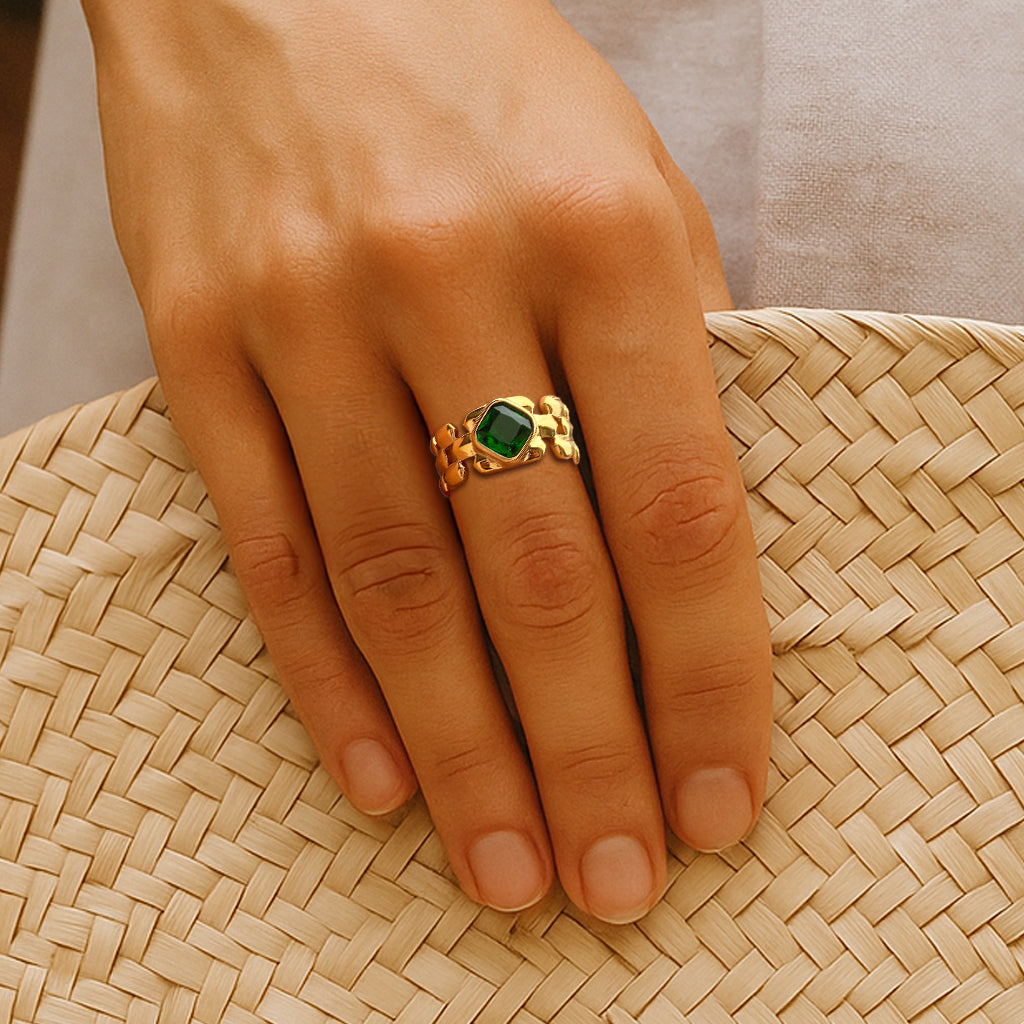
Bluestone jewellery isn’t a gemstone classification at all. Instead, it refers to jewellery that uses blue-coloured stones, which are often lab-made, semi-precious, or synthetic alternatives. In India, the term also gained traction because of the jewellery brand Bluestone, known for its contemporary, minimalistic, and lifestyle-focused designs. As a result, many shoppers assume Bluestone is a type of natural gem but it isn’t.
Bluestone jewellery commonly includes pieces featuring:
-
Cubic zirconia (CZ)
-
Colored glass stones
-
Lab-created blue sapphires
-
Synthetic gemstones
-
Semi-precious stones like Topaz, Aquamarine, or Lapis
These stones are used to create aesthetic pieces that look rich but remain budget-friendly. The metals used can vary from gold-plated brass and sterling silver to 14K/18K gold in higher-end designs.
Overall, Bluestone jewellery is about fashion, affordability, and everyday wearability rather than rarity, investment, or astrology.
What Is a Blue Sapphire?

Unlike Bluestone jewellery, Blue Sapphire (Neelam) is a real, naturally occurring precious gemstone. It belongs to the corundum mineral family, making it one of the hardest gemstones on earth—second only to diamonds. Blue Sapphires are mined from regions such as Sri Lanka (Ceylon), Kashmir, Madagascar, Myanmar, and Thailand, with Kashmir sapphires being the rarest and most expensive.
What makes a Blue Sapphire valuable is its combination of:
-
Colour: Ranges from light to deep royal blue; the richer the colour, the higher the value.
-
Clarity: Natural inclusions exist, but fewer inclusions increase its worth.
-
Cut: Enhances brilliance and overall beauty.
-
Carat weight: Larger sapphires with good colour are extremely rare.
Blue Sapphires also carry astrological significance, representing the planet Saturn (Shani). They are believed to attract prosperity, discipline, protection, and fast results, which is why they are commonly worn in rings and pendants.
In essence, Blue Sapphire is prized for its luxury, rarity, and spiritual power.
Bluestone Jewellery vs Blue Sapphire: Key Differences
While both may appear blue, Bluestone jewellery and Blue Sapphire belong to entirely different categories in terms of origin, value, durability, and purpose.
Major Differences
1. Origin
Bluestone Jewellery: Made using synthetic, lab-created, or semi-precious stones.
Blue Sapphire: Natural gemstone mined from the earth.
2. Value
Bluestone: Affordable and mass-produced; no major resale or investment value.
Sapphire: Expensive, rare, and can appreciate over time.
3. Durability
Bluestone: Durability varies; CZ or glass stones may scratch easily over time.
Sapphire: Extremely durable (9 on Mohs scale), ideal for daily luxury wear.
4. Purpose
Bluestone: Fashion, gifting, daily wear.
Sapphire: Investment, luxury jewellery, astrology.
5. Appearance
Bluestone: Looks flawless and bright because it's engineered.
Sapphire: Unique natural inclusions and deep, complex hues.
The differences make it clear: Bluestone is about style; Sapphire is about substance and rarity.
Which One Should You Choose?
Your choice between Bluestone jewellery and a Blue Sapphire should depend on what you are looking for — style, budget, purpose, longevity, or energy benefits.
Choose Bluestone Jewellery if:
-
You want trendy, minimal, or modern designs.
-
You prefer affordable pieces for everyday outfits.
-
You like switching styles often and buying multiple pieces.
-
You don’t need astrological benefits or natural gemstones.
-
You want attractive jewellery without spending heavily.
Bluestone jewellery is perfect for college wear, office wear, casual outings, festive looks, and gifting.
Choose Blue Sapphire if:
-
You want a real, certified, high-value gemstone.
-
You are seeking long-term investment.
-
You need a gemstone for astrological benefits.
-
You prefer heirloom-worthy jewellery that lasts decades.
-
You appreciate gems with character, depth, and rarity.
A Blue Sapphire is ideal for life events like engagements, anniversaries, and personal spiritual growth.
Ultimately, both serve different purposes. Bluestone caters to fashion lovers, while Blue Sapphire appeals to collectors, believers, and luxury jewellery buyers.
Conclusion
Bluestone jewellery and Blue Sapphire may appear similar at first glance because they both feature shades of blue, but they come from two entirely different worlds. Bluestone jewellery is designed for style, affordability, and everyday wear. It uses synthetic, lab-created, or semi-precious stones to give you a fashionable look without straining your budget. It’s perfect for trend lovers, frequent jewellery wearers, and anyone who wants beautiful designs without worrying about gemstone authenticity.
Blue Sapphire, however, stands on the opposite end of the spectrum. It is a rare, naturally occurring gemstone valued for its richness, durability, astrological significance, and investment potential. A Blue Sapphire carries a depth and character that synthetic stones simply cannot replicate. Choosing one over the other ultimately depends on your priorities: everyday fashion or long-term value, trend-driven purchases or timeless gemstone elegance.
Understanding the difference empowers you to make informed decisions and ensures you purchase jewellery that aligns with your style, purpose, and expectations.
FAQs:
1. Is Bluestone a real gemstone like Blue Sapphire?
No. Bluestone is not a natural gemstone. It usually refers to jewellery that uses synthetic, lab-created, or semi-precious blue stones. Blue Sapphire, on the other hand, is a naturally occurring precious gemstone.
2. Which one is more durable, Bluestone jewellery or Blue Sapphire?
Blue Sapphire is significantly more durable because it belongs to the corundum family and ranks 9 on the Mohs hardness scale. Bluestone jewellery often uses CZ or glass stones, which can scratch or dull over time.
3. Why is Blue Sapphire so expensive compared to Bluestone jewellery?
Blue Sapphire is rare, naturally formed, and valued based on colour, clarity, cut, and origin. High-quality sapphires, especially from Kashmir or Sri Lanka, can be extremely valuable. Bluestone jewellery uses manufactured stones, making it more affordable.
4. Can Bluestone jewellery offer astrological benefits like Blue Sapphire?
No. Bluestone jewellery does not carry astrological significance. Only natural Blue Sapphires (Neelam) are believed to provide benefits related to the planet Saturn (Shani). If worn for astrology, a certified natural sapphire is required.
5. Which one should I buy for daily wear?
If you want something trendy, lightweight, and budget-friendly for daily use, Bluestone jewellery is a great choice. If you prefer luxury and long-term durability, Blue Sapphire is suitable—but it must be set securely due to its high value.